Four Tet Packs the Warehouse at 10/10 Portola 2026 Set
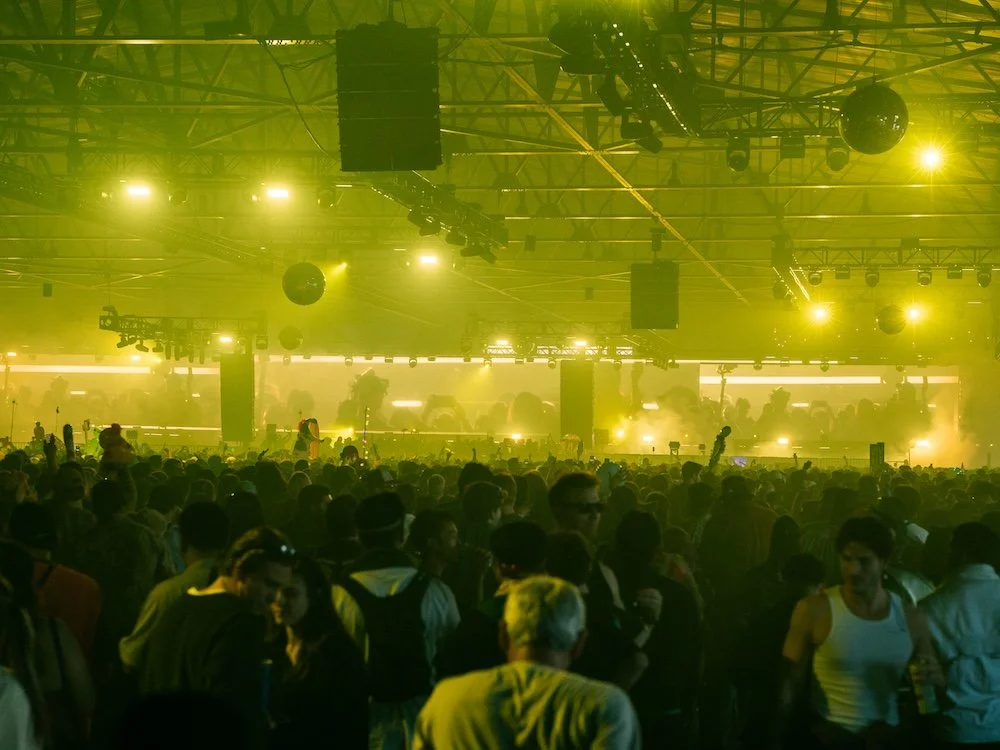
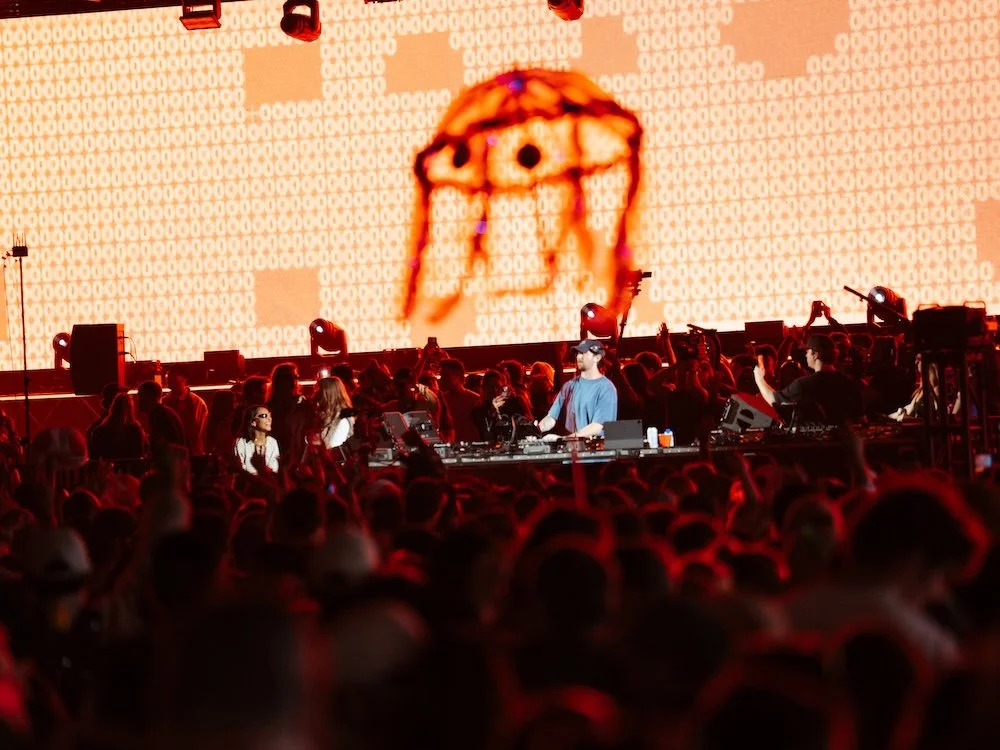
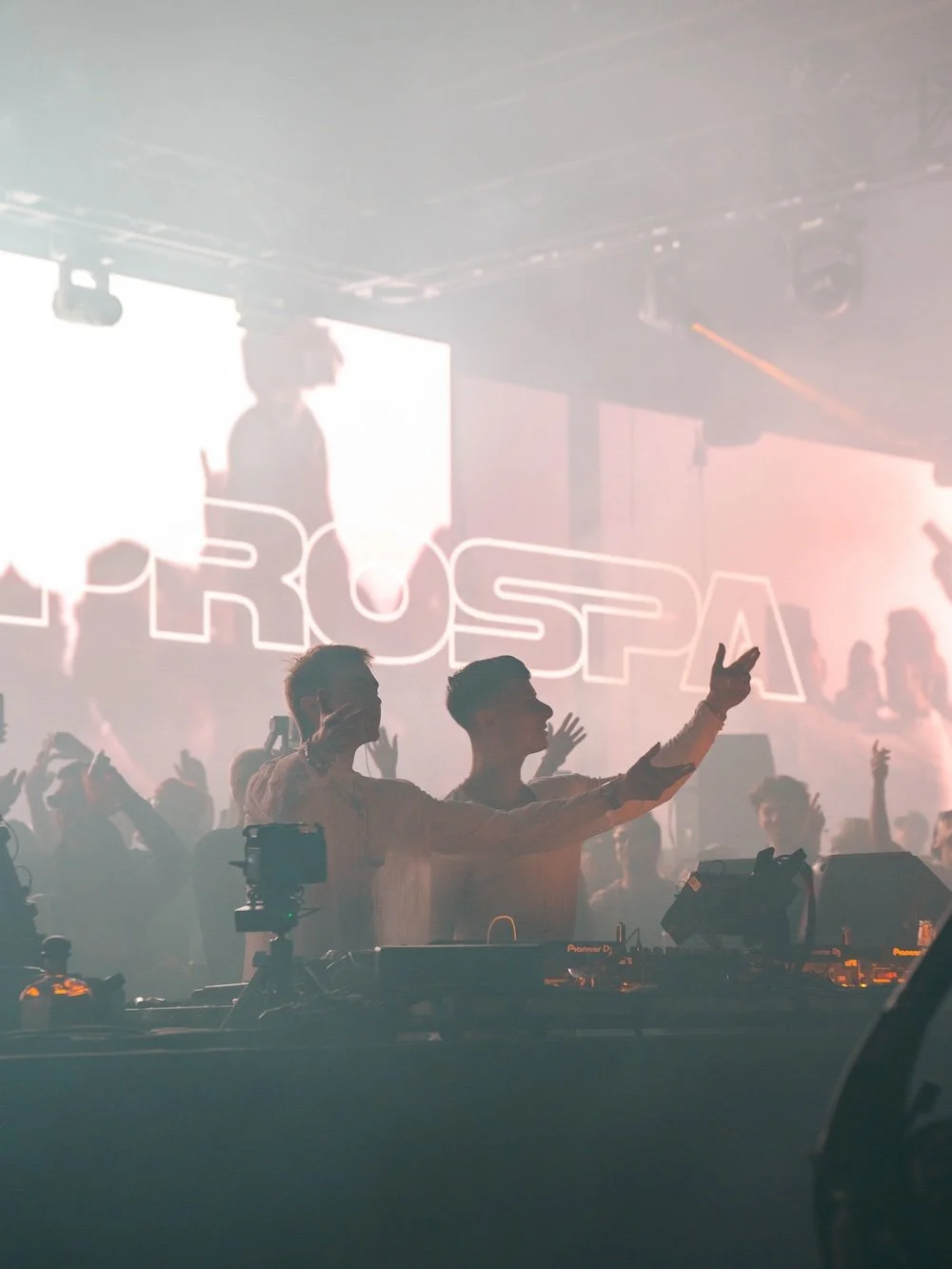
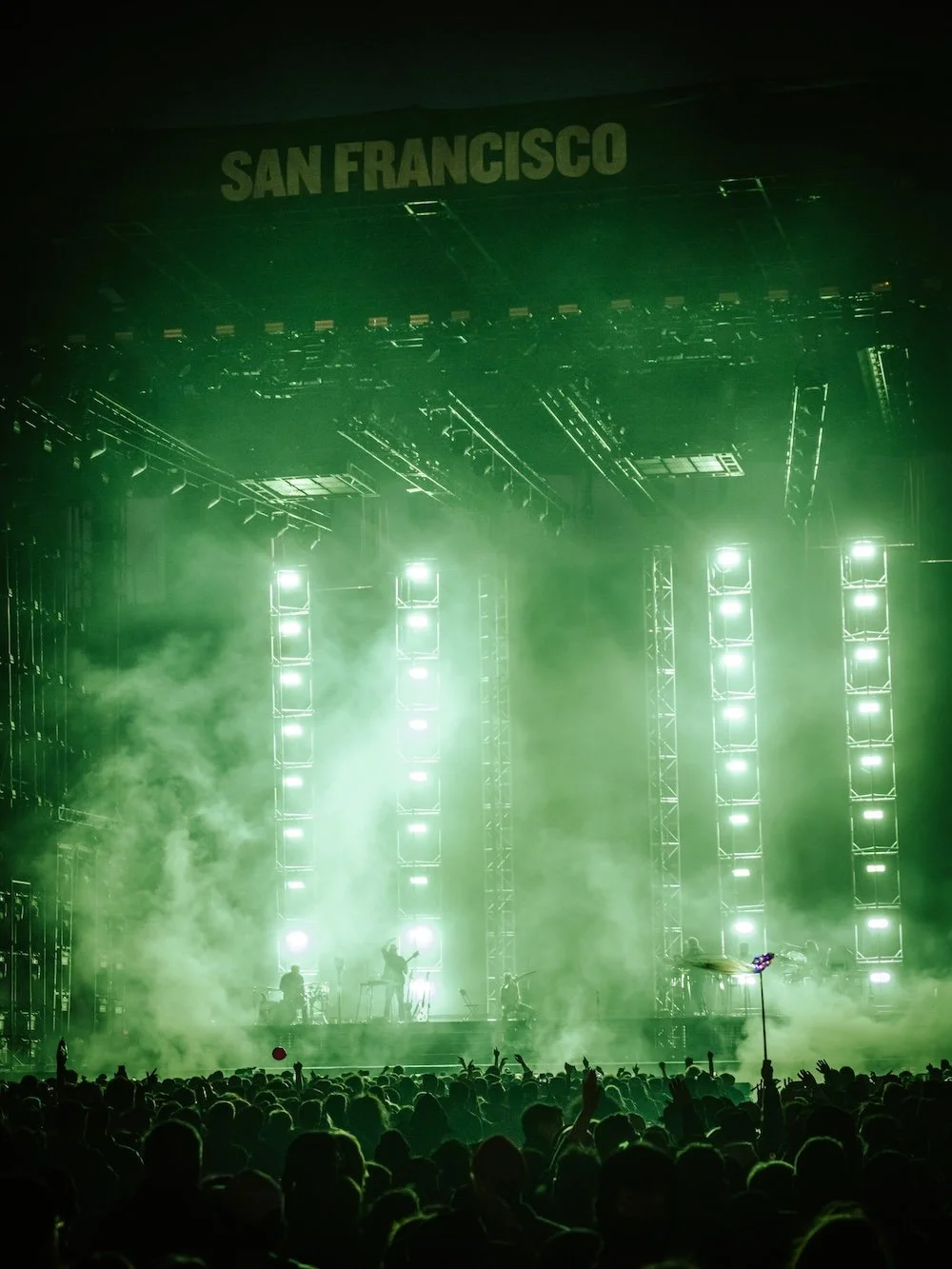
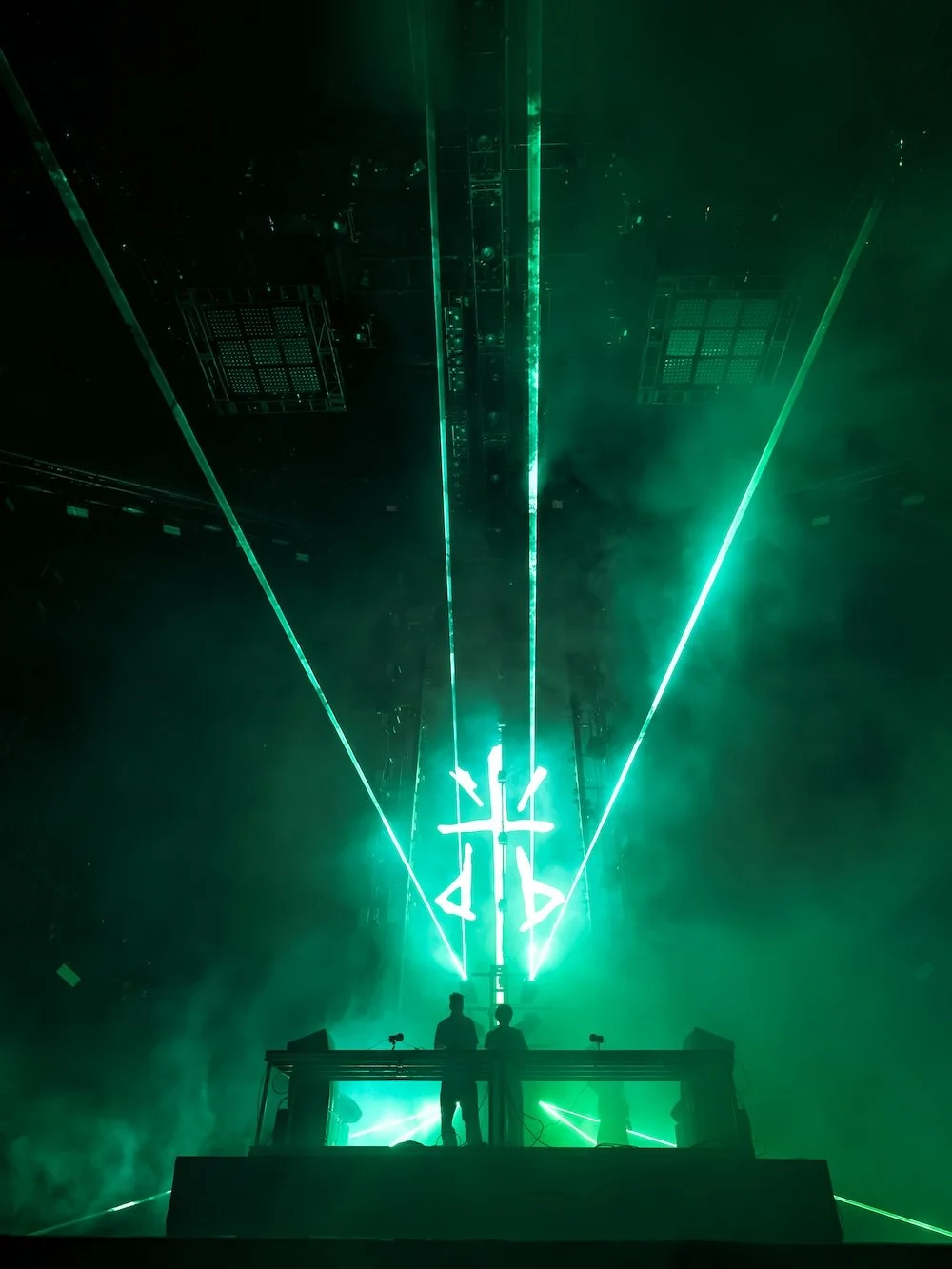
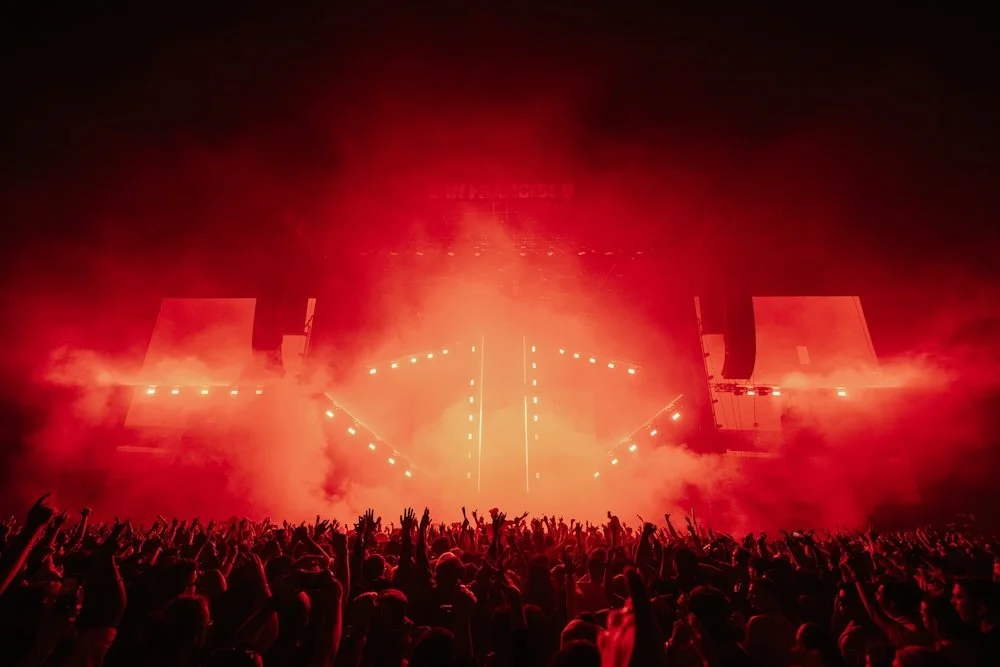
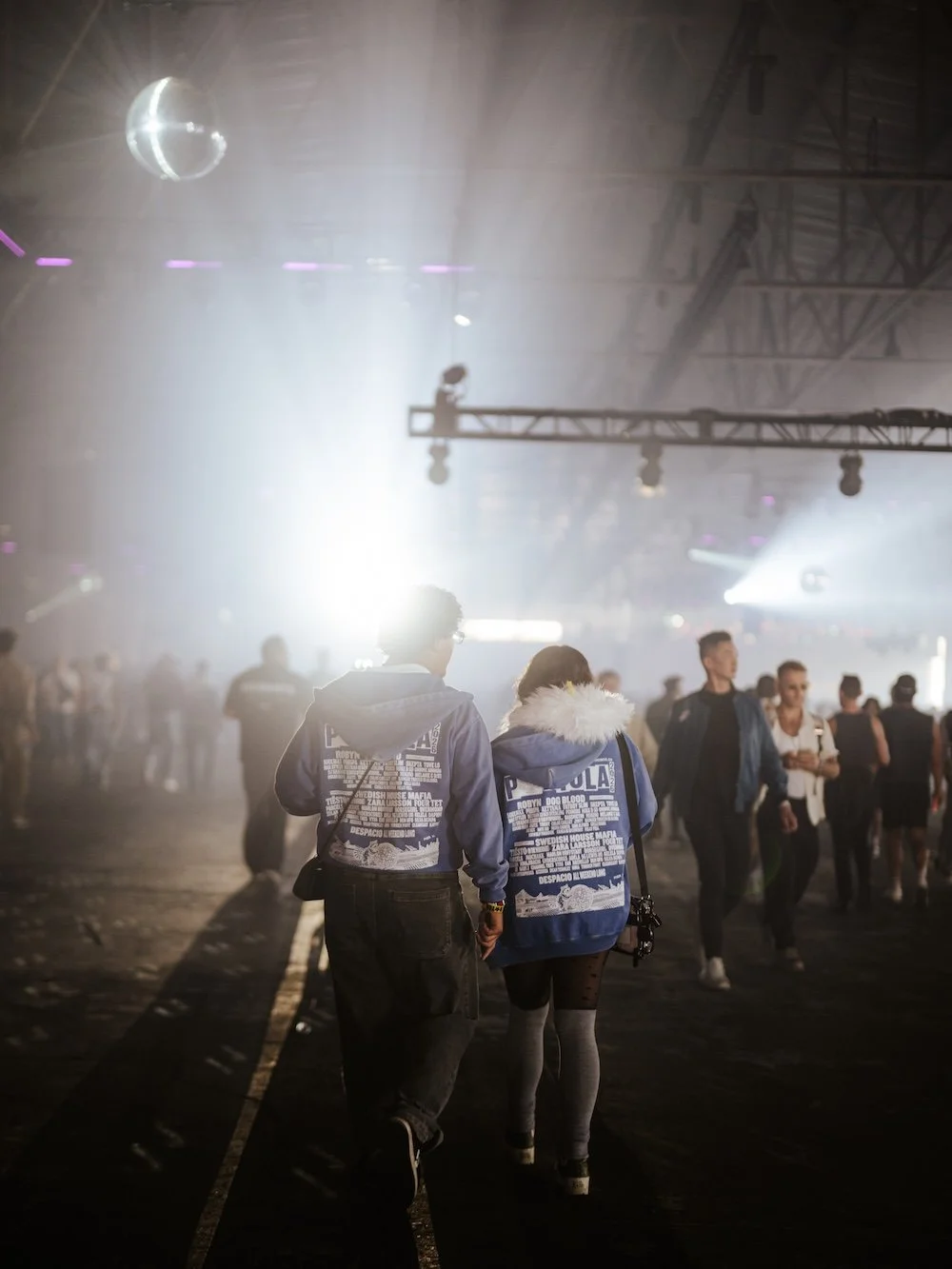
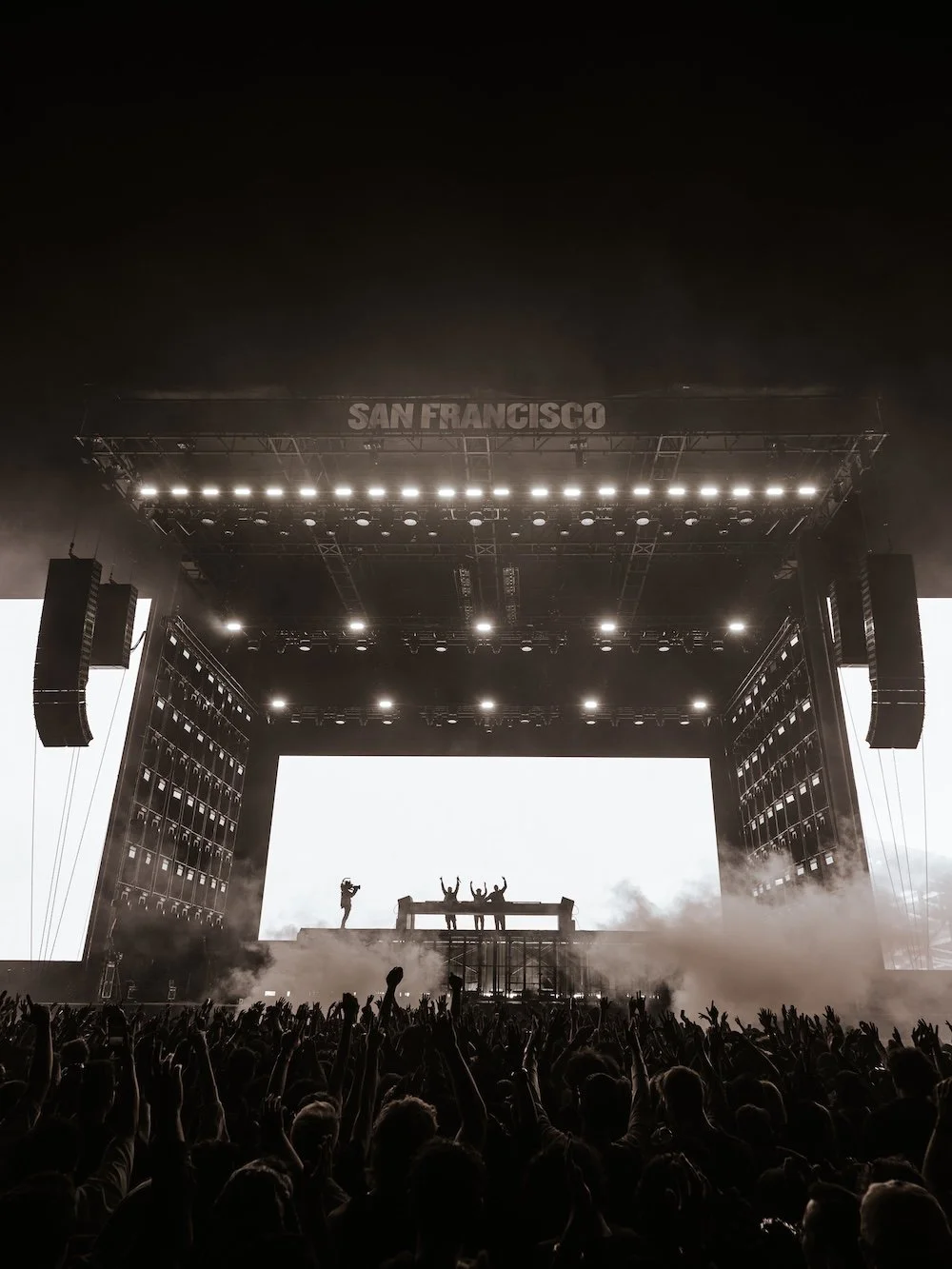
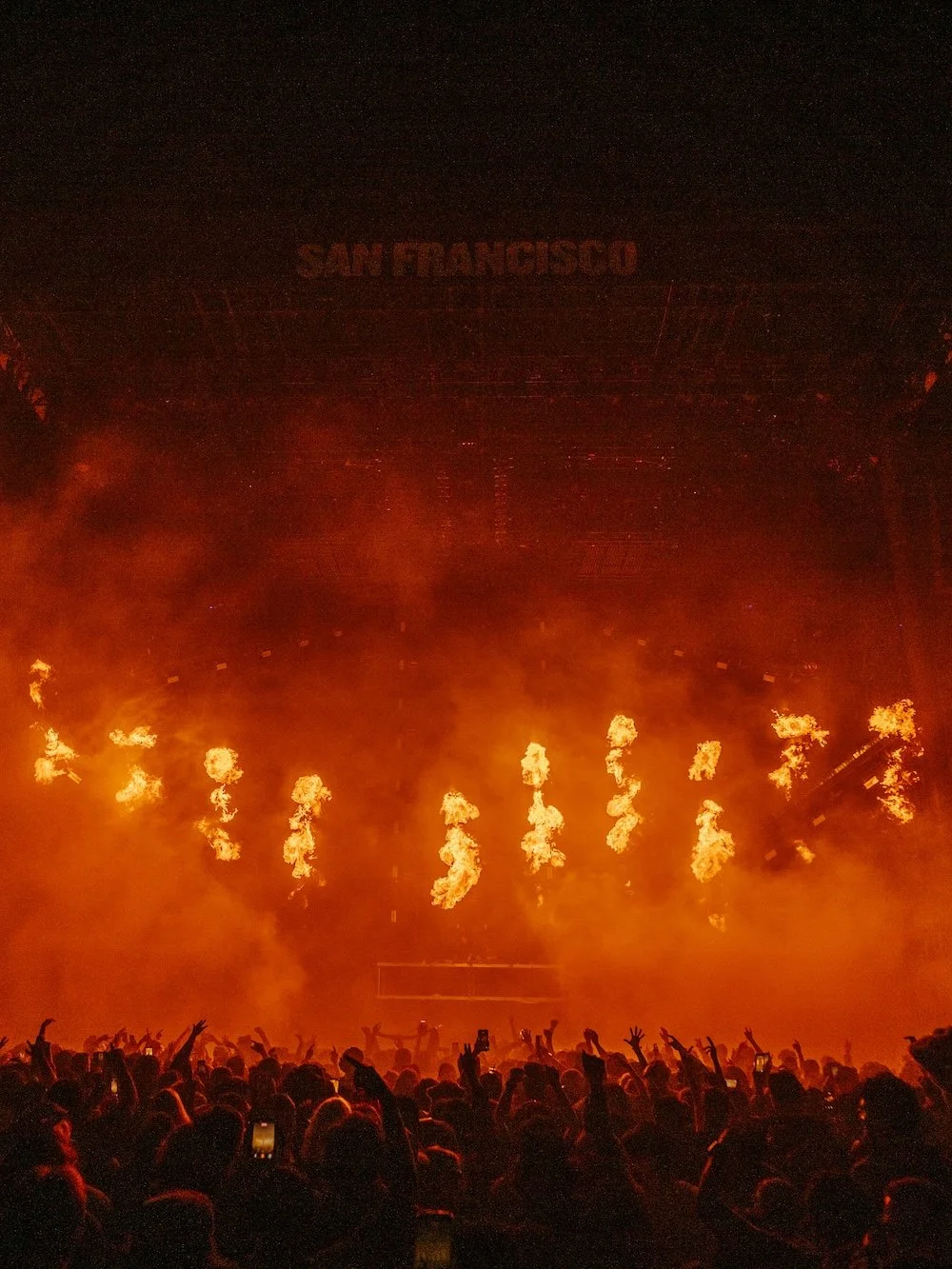
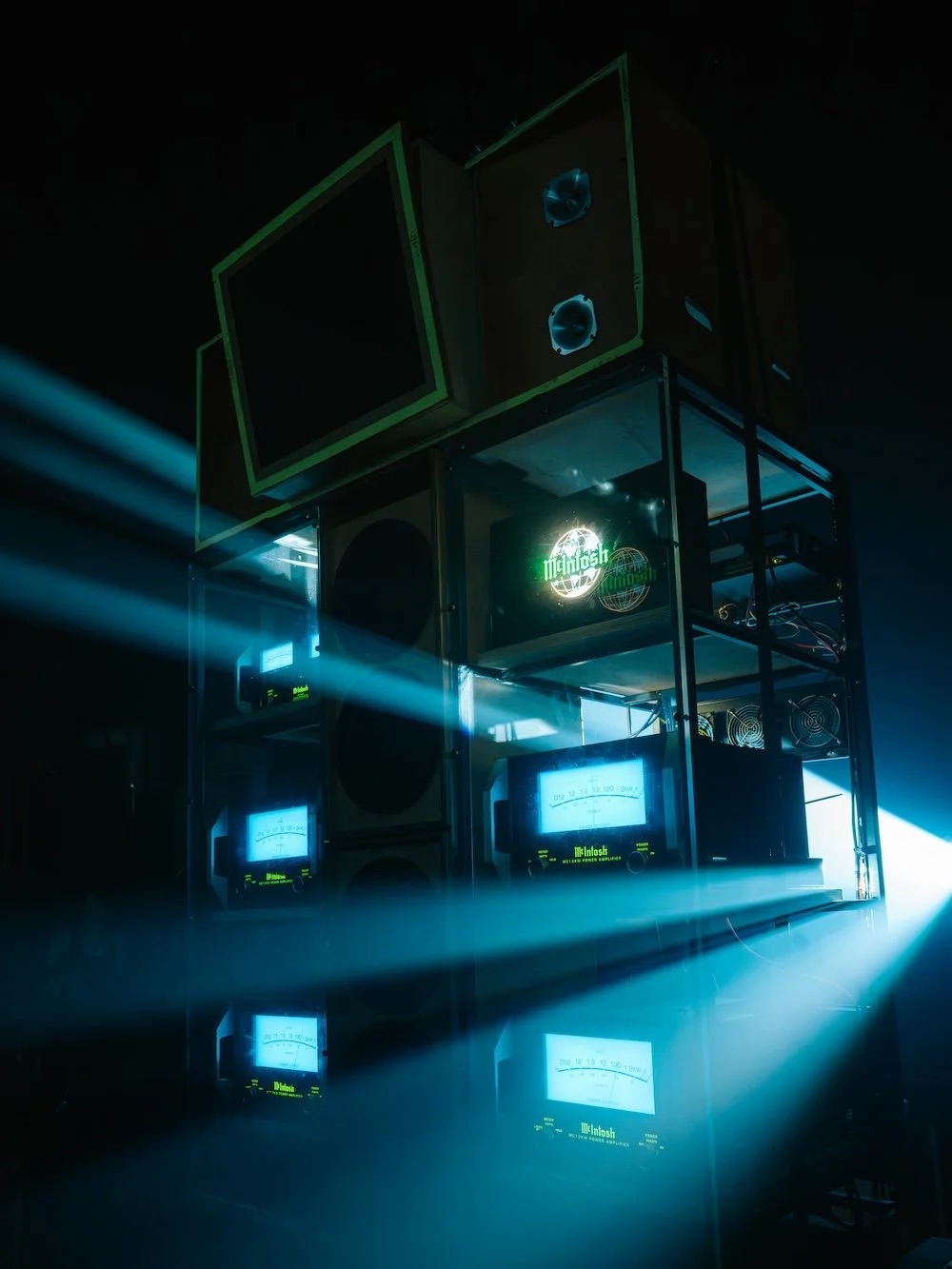
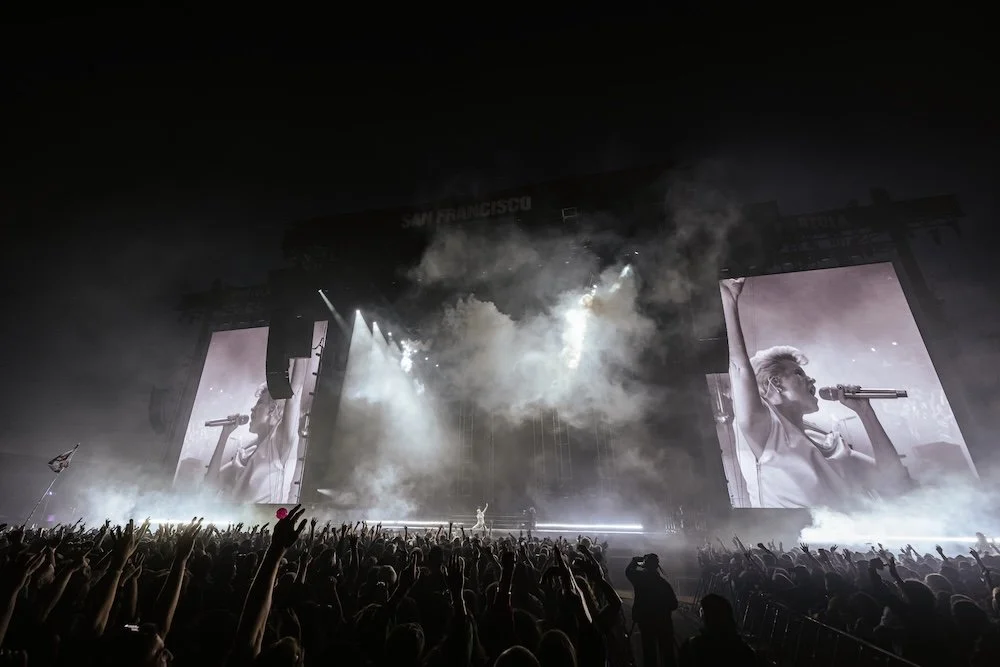
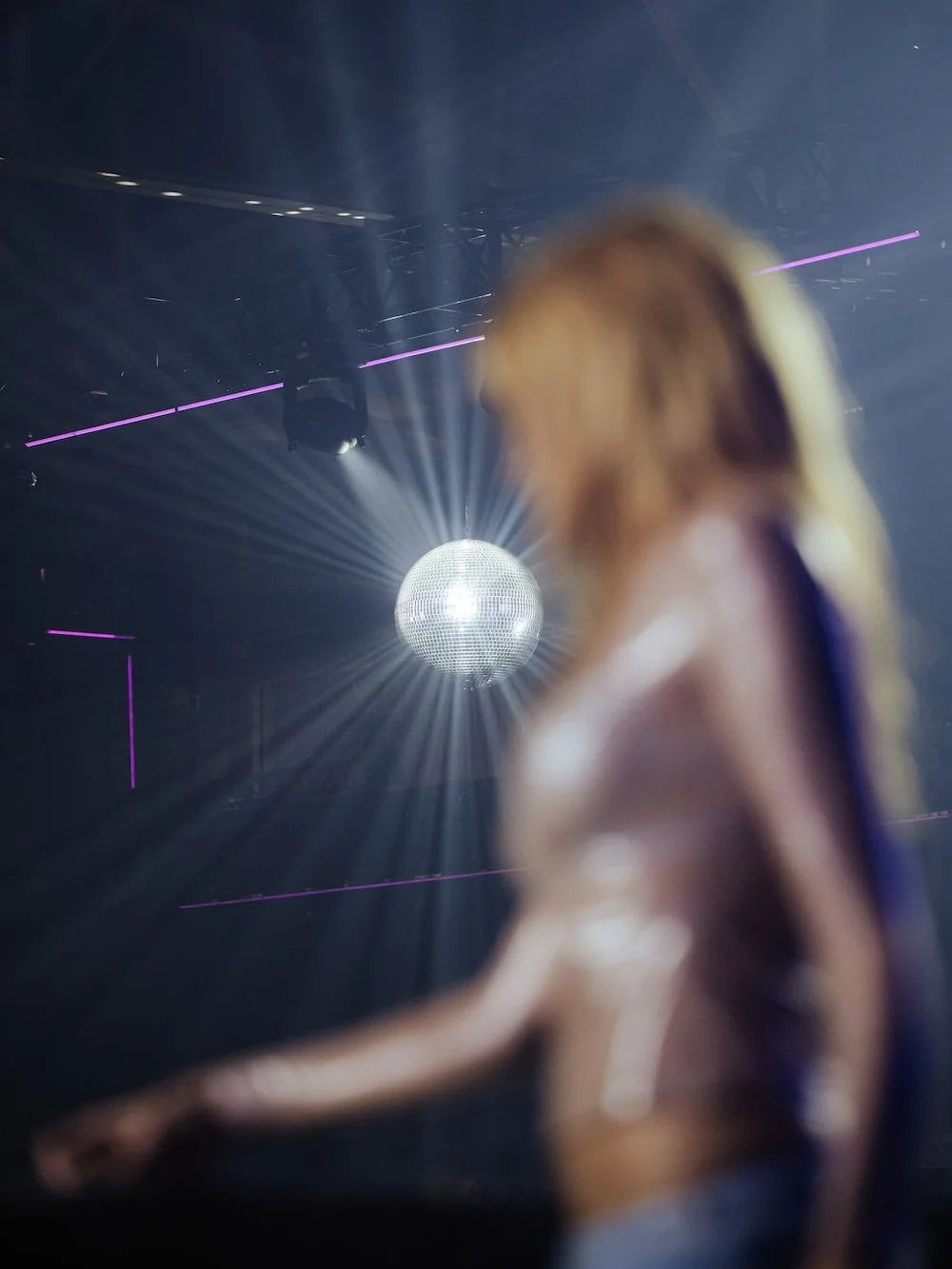
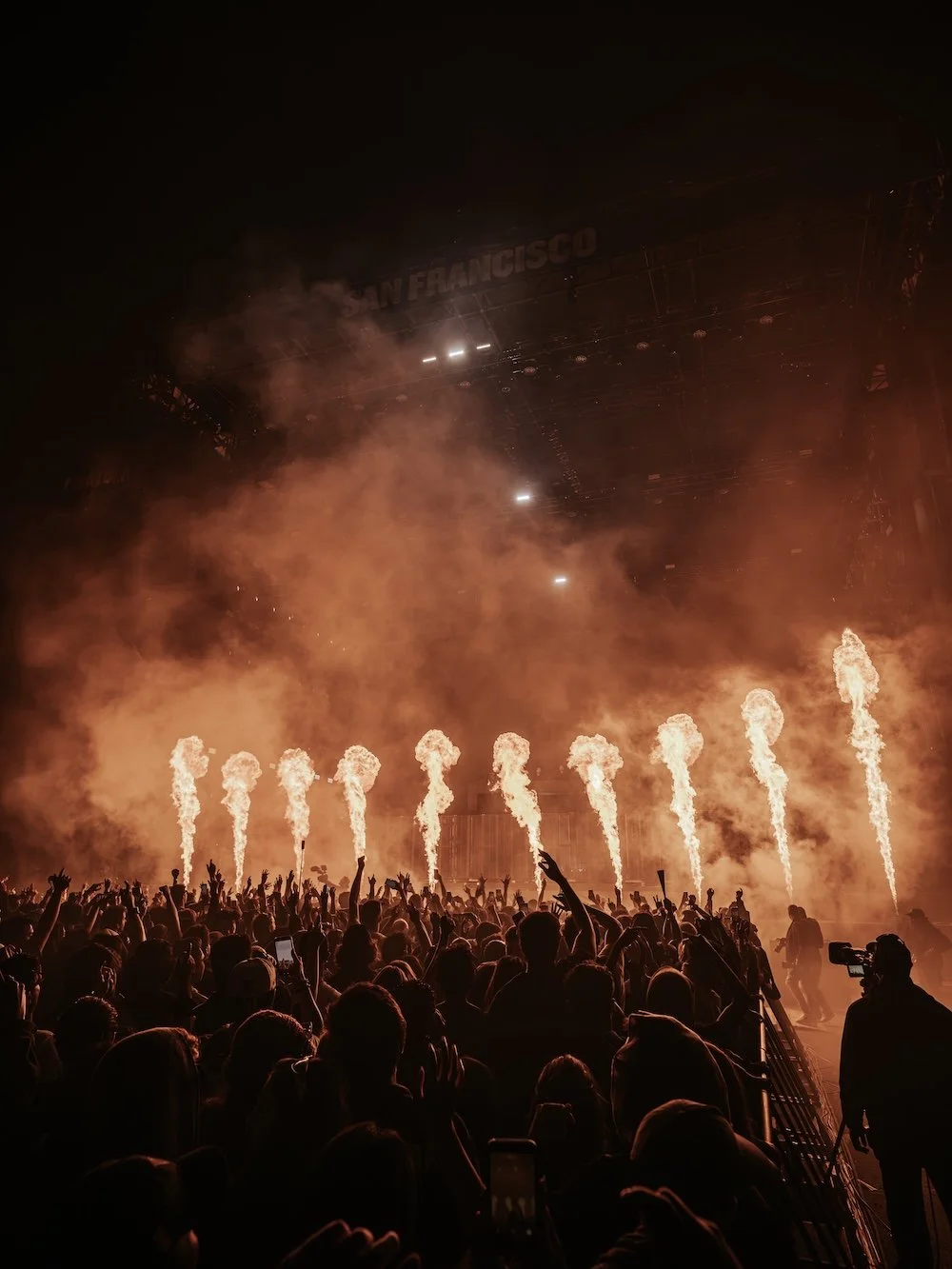
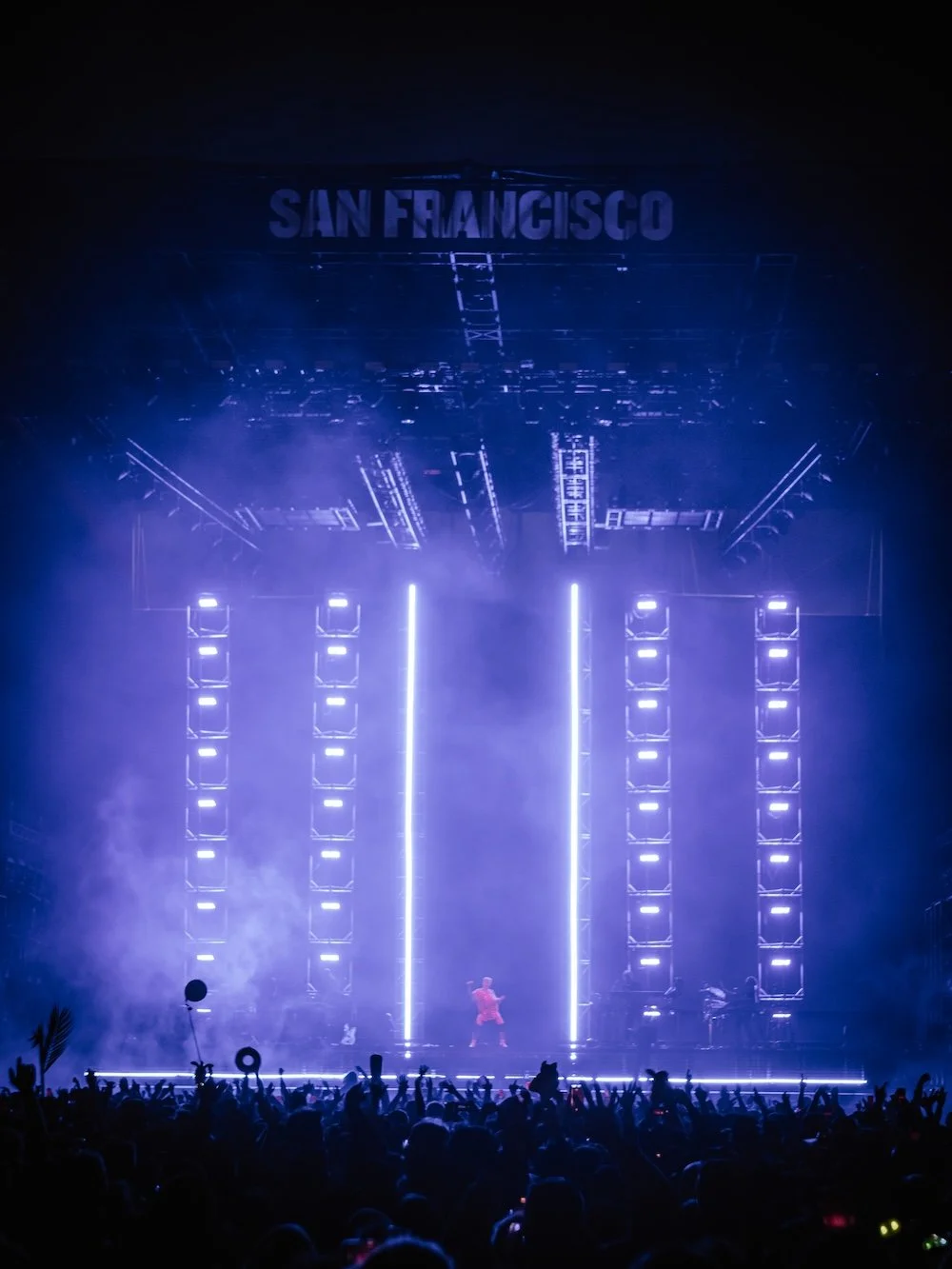
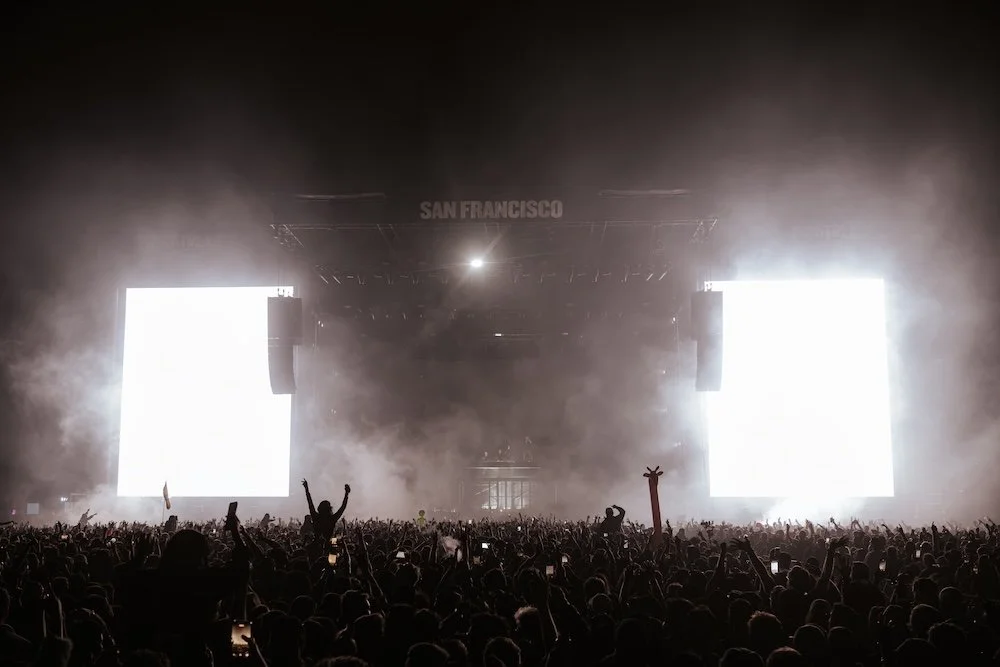
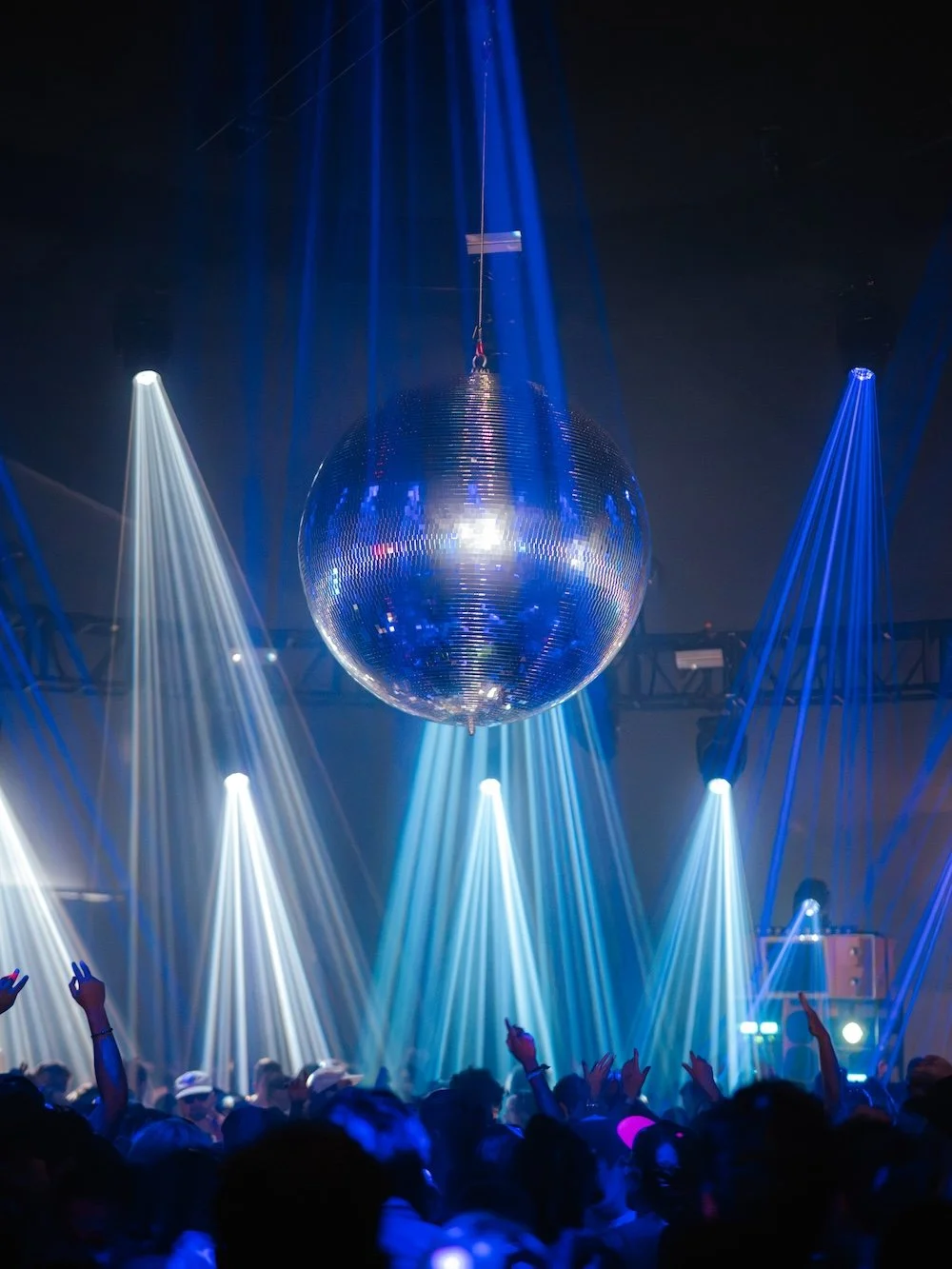
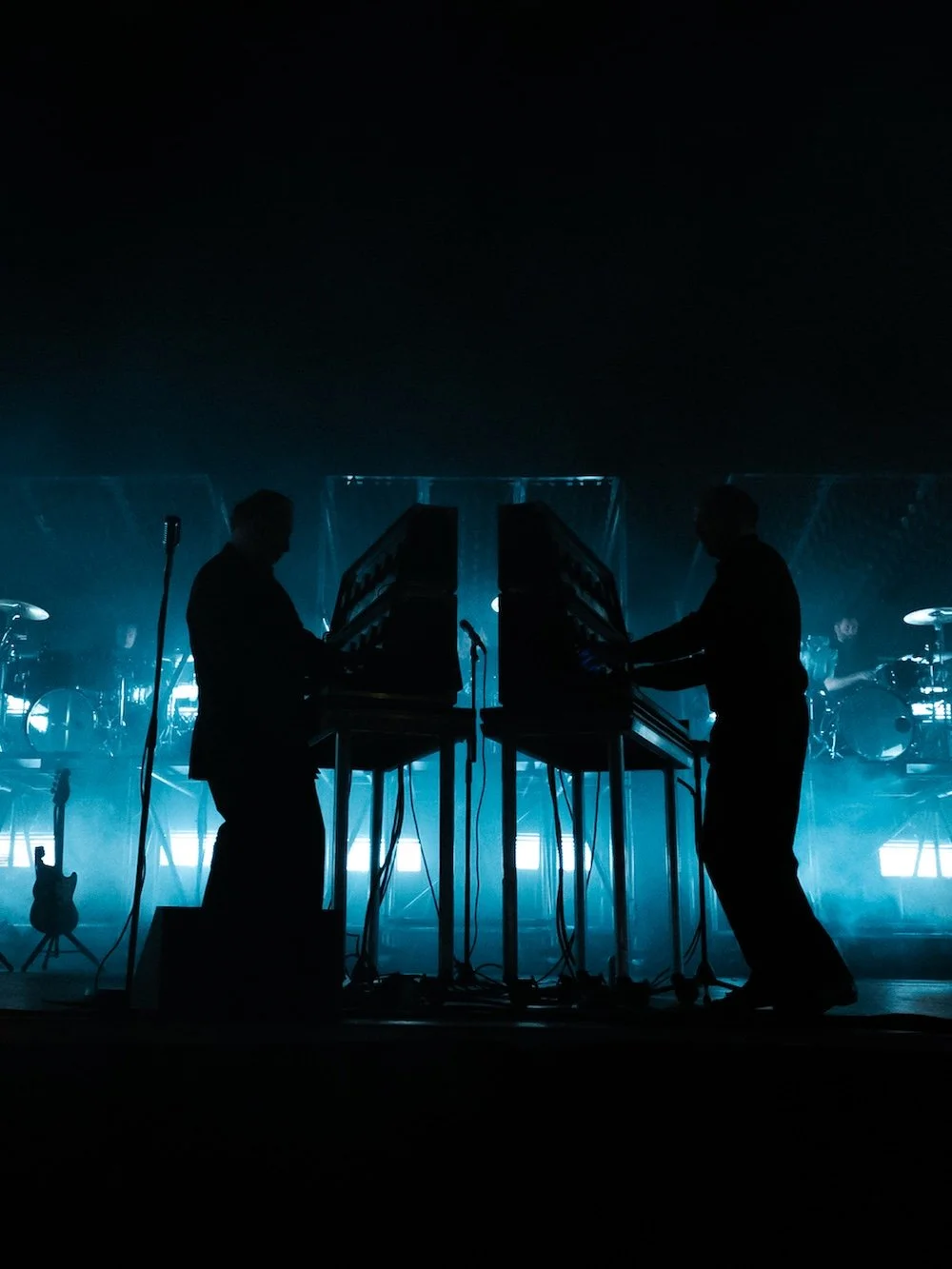
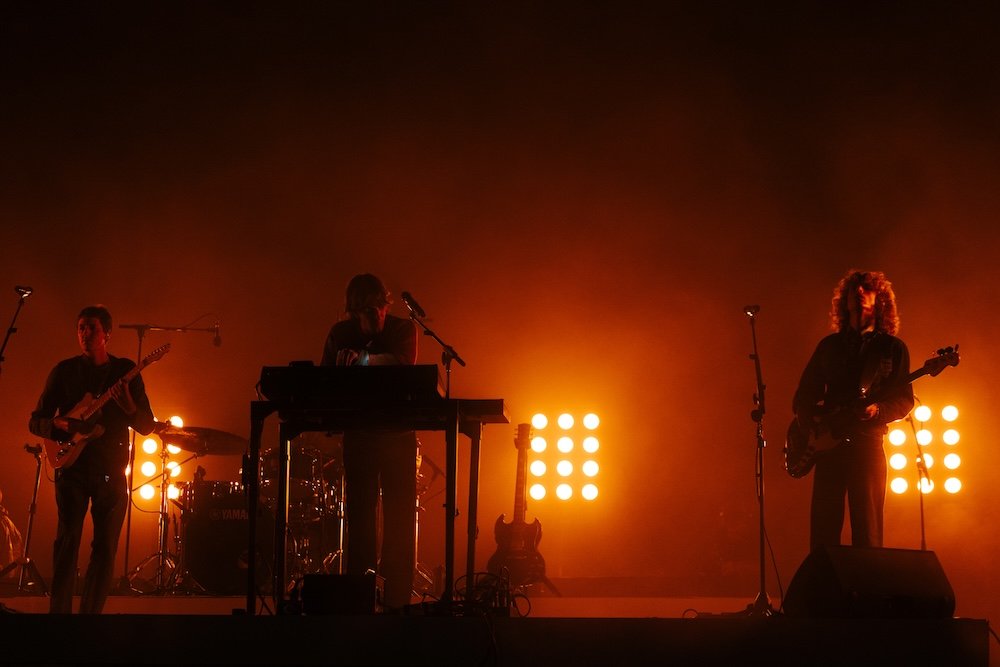
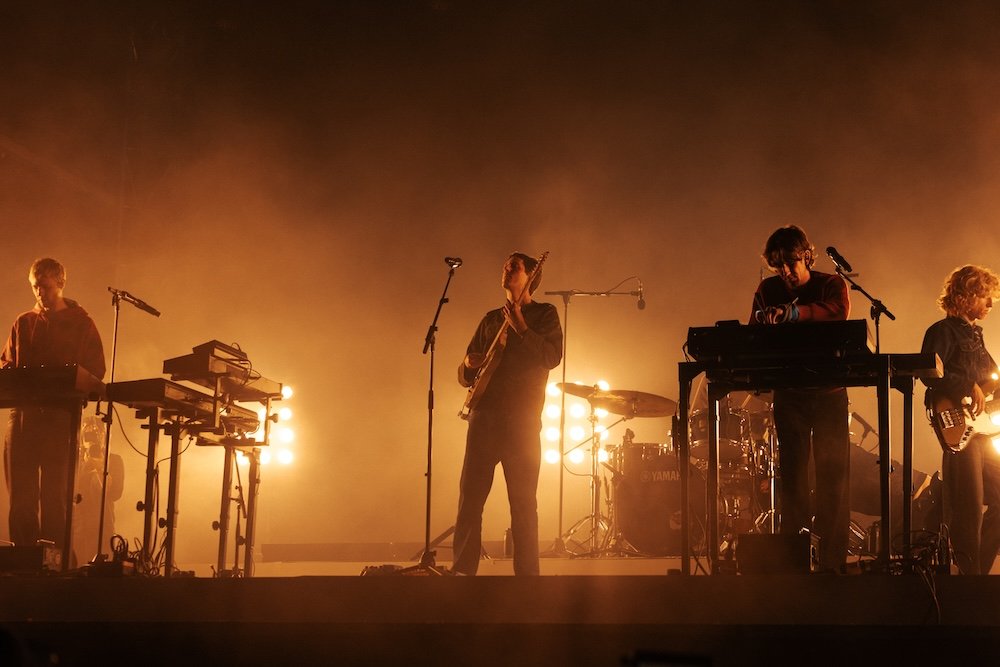
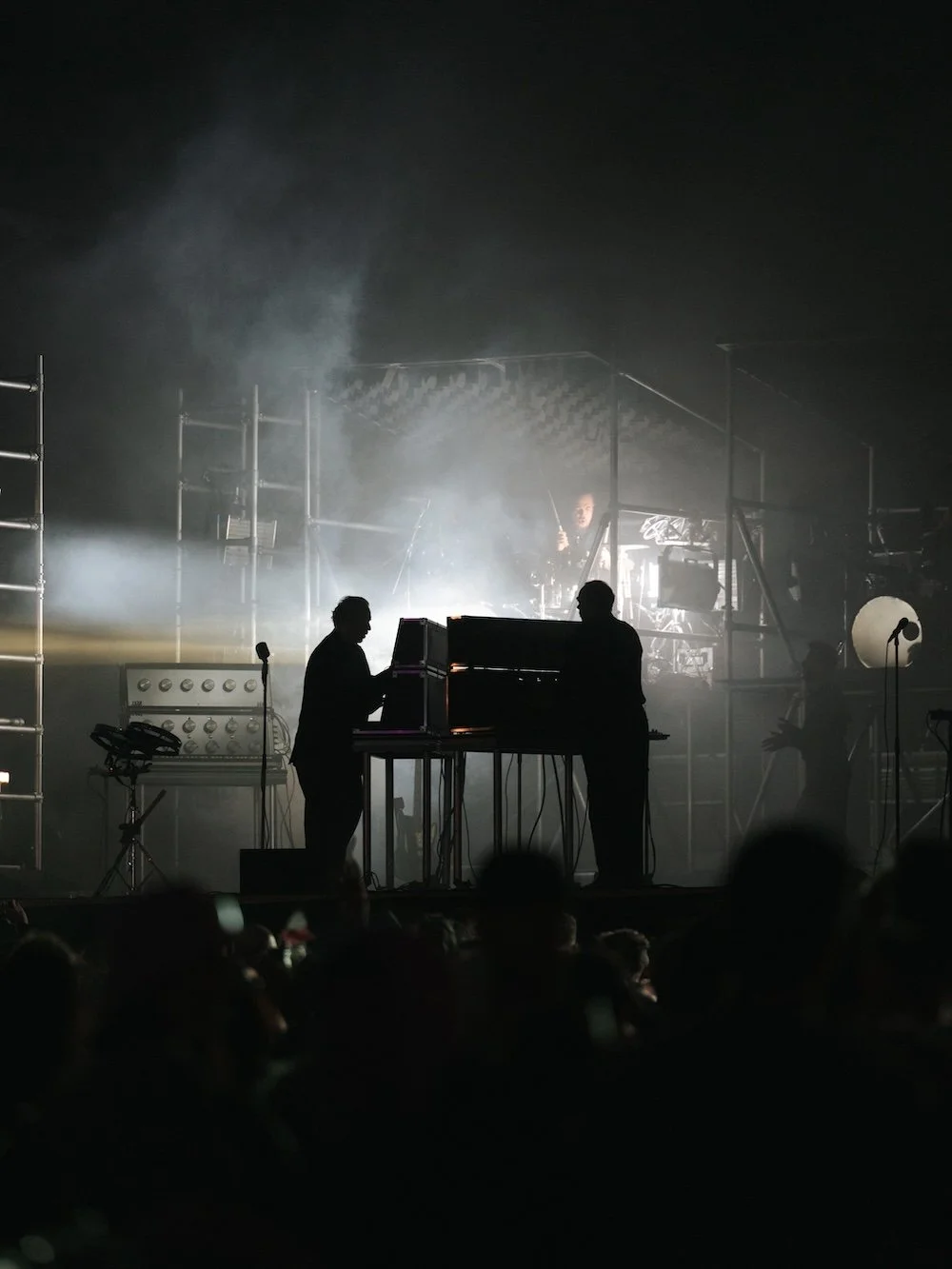
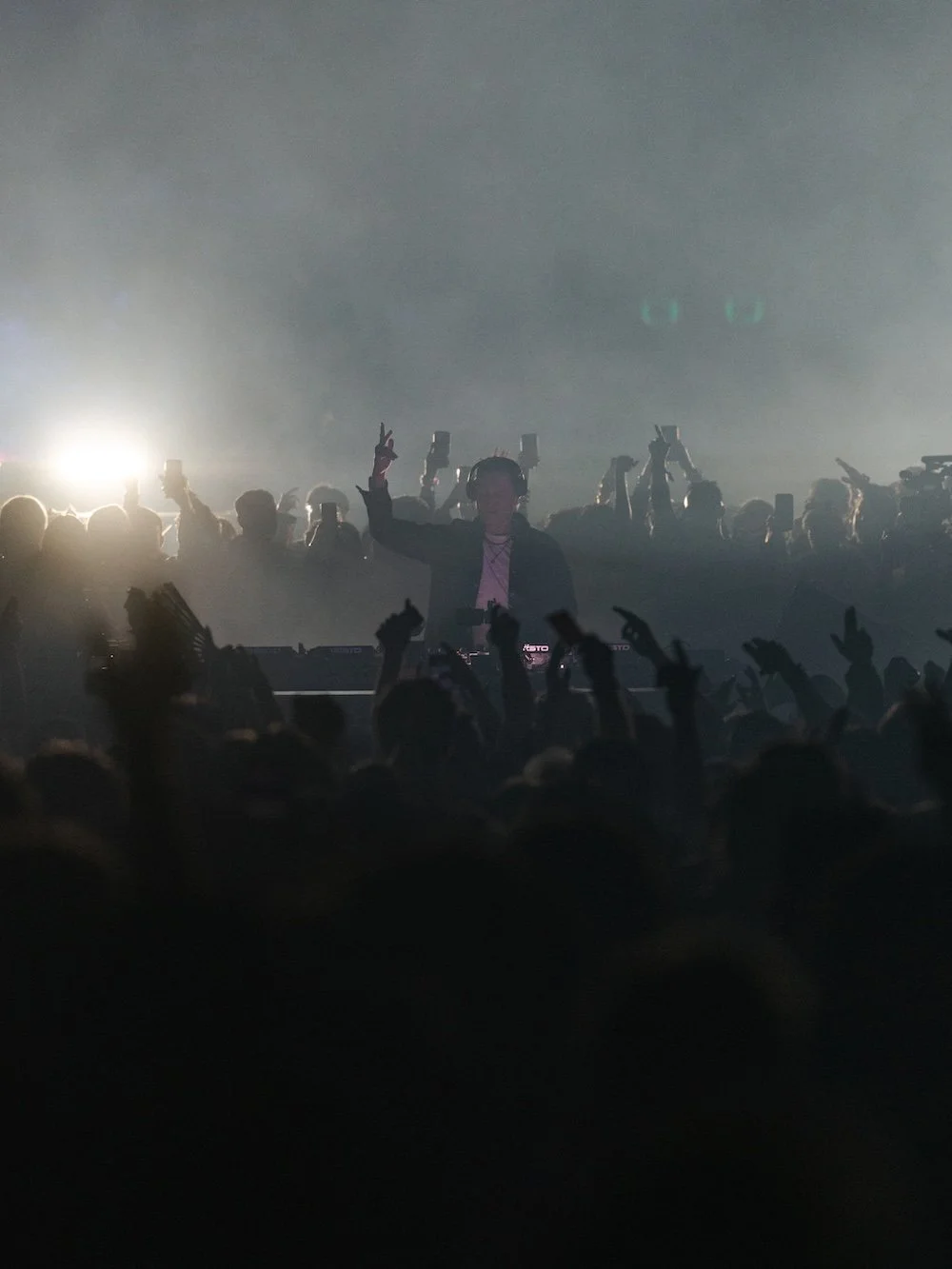
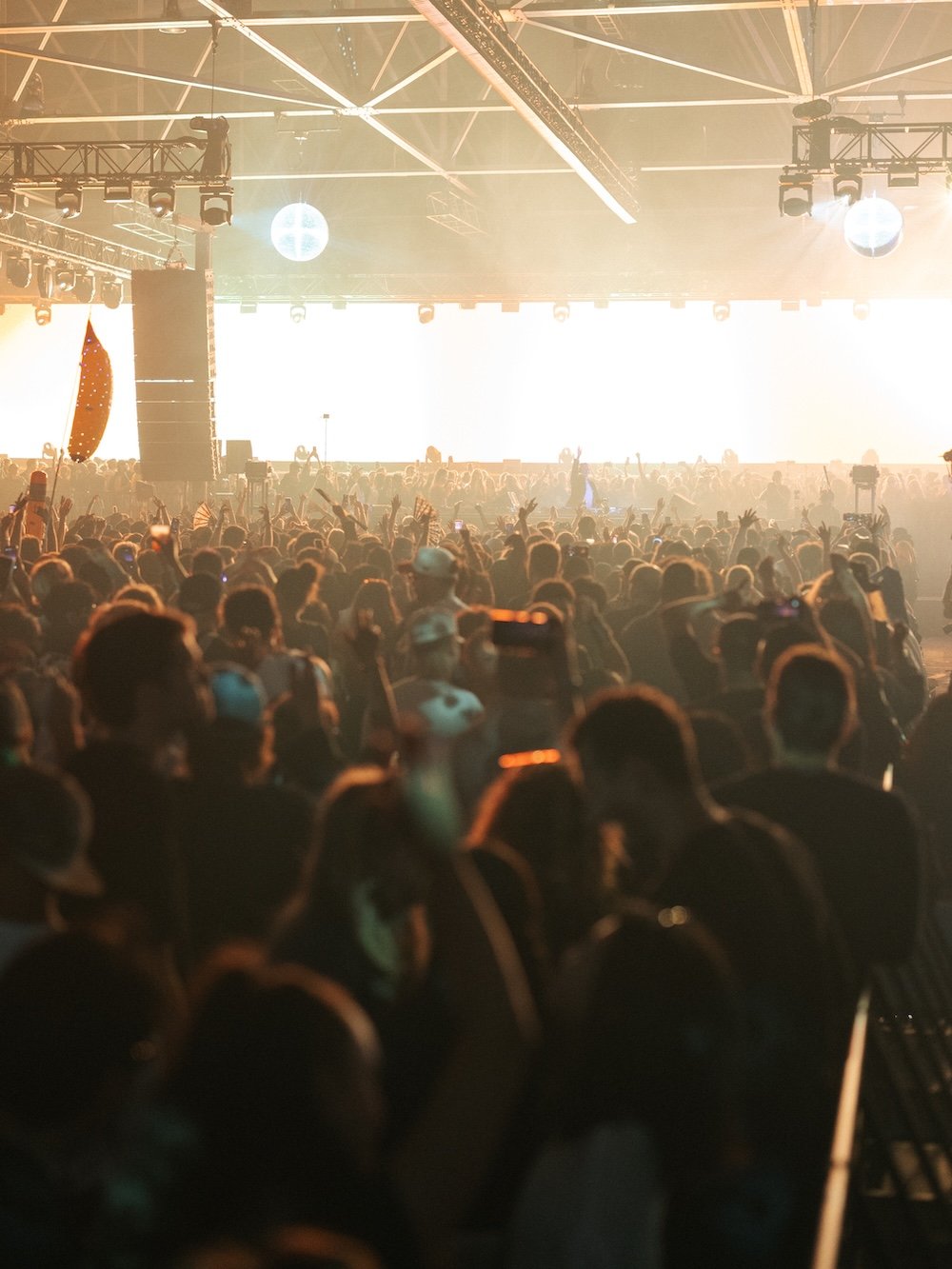
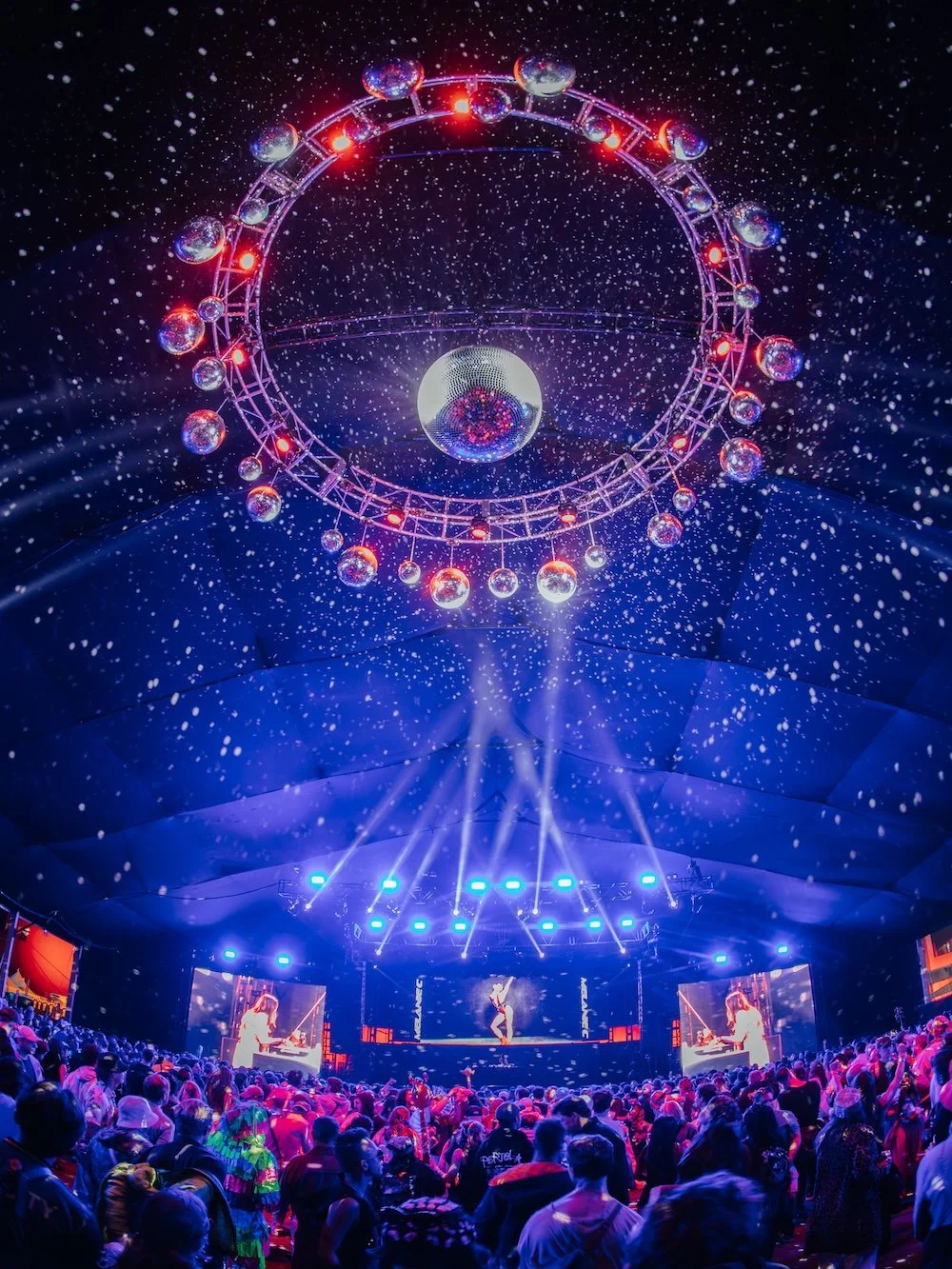
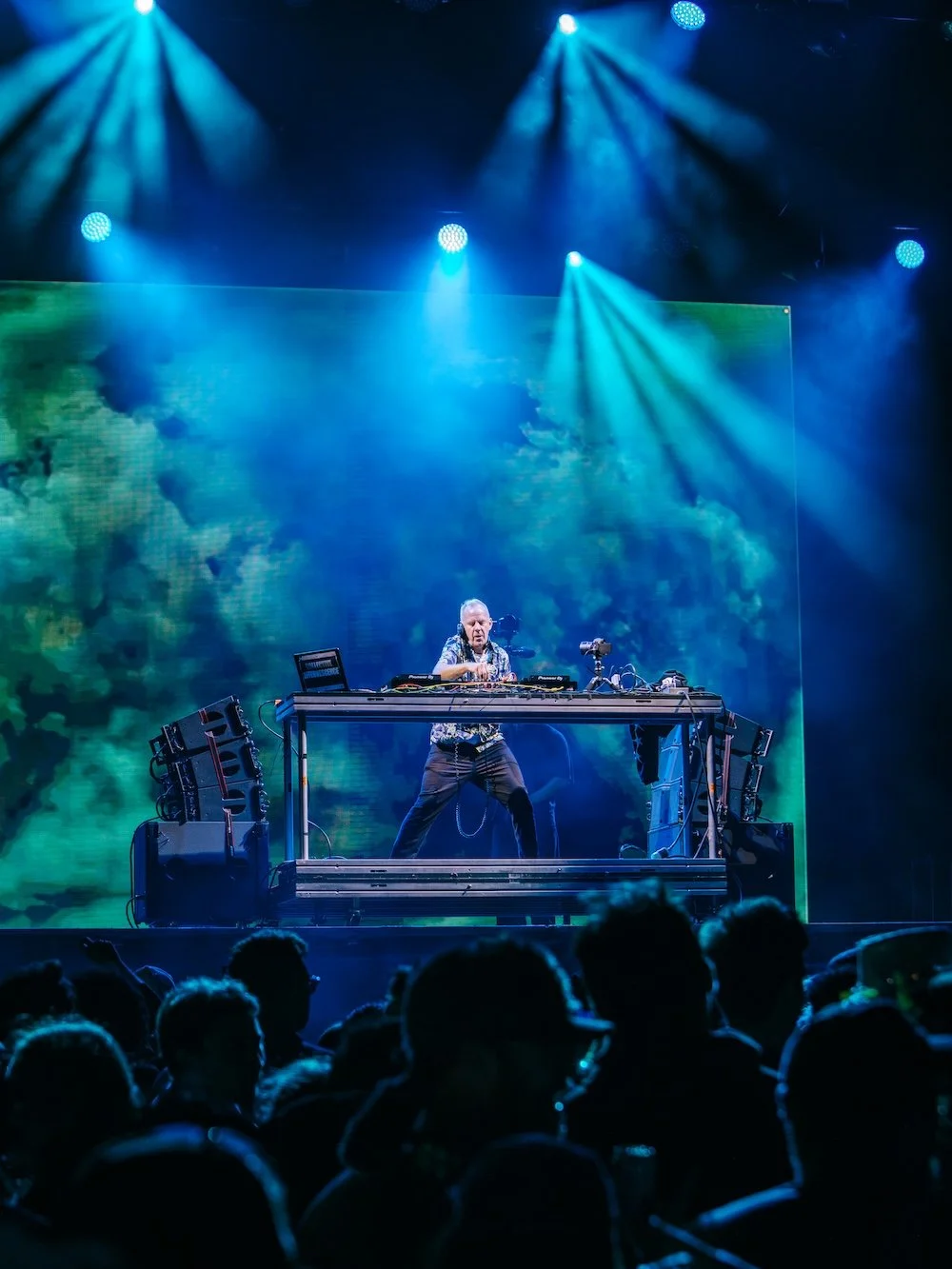
The lights were extraordinary, and they deserve to be the first thing mentioned. Four Tet's Sunday closing set at Portola turned the Warehouse into a space that seemed to change shape around the music. A long installation overhead cast sheets and shifting curtains of light through the building, giving the room a depth that a conventional stage display rarely reaches. The effect was wonderfully psychedelic. You could know exactly where you were and still feel a little lost inside it.
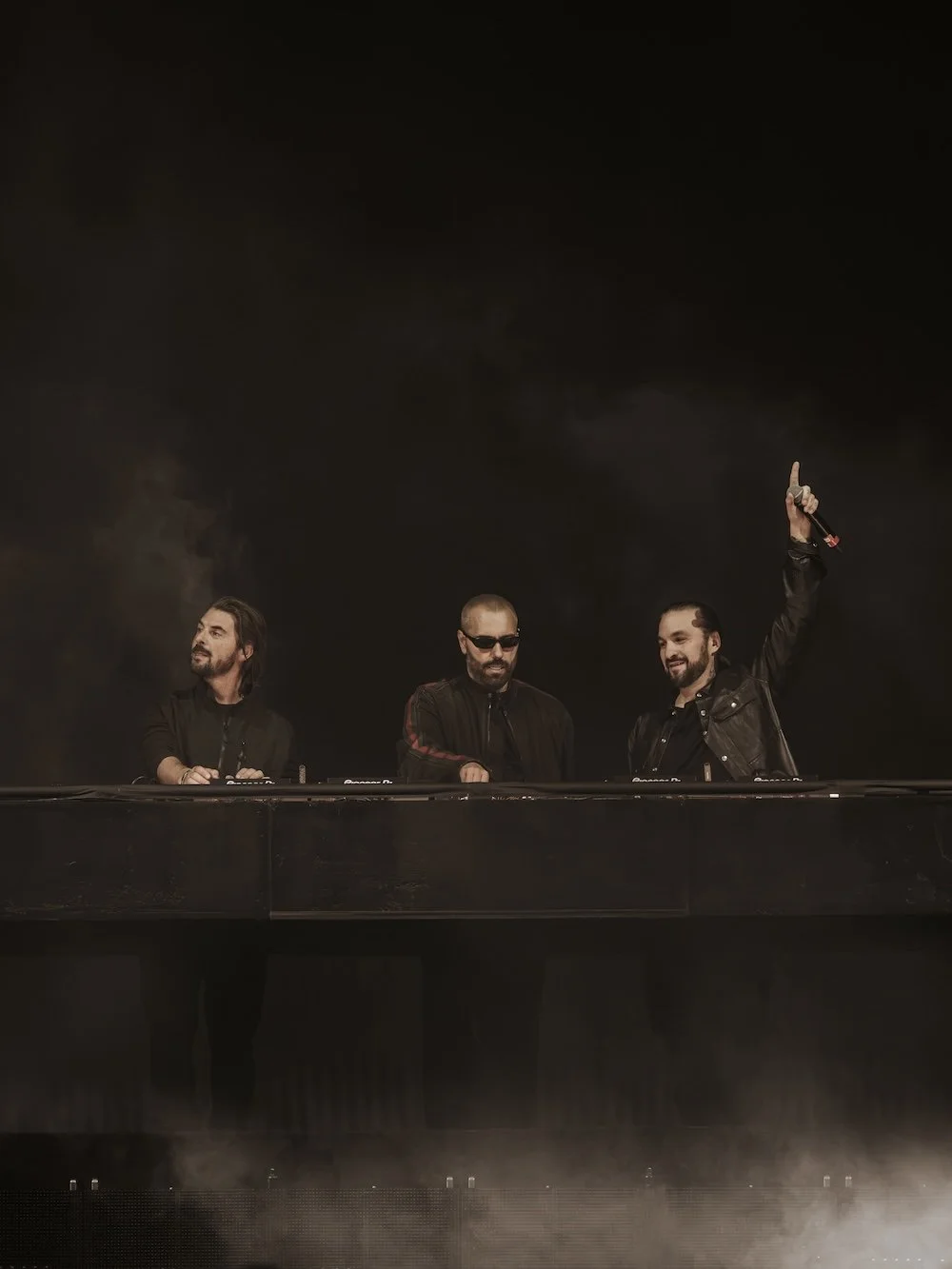
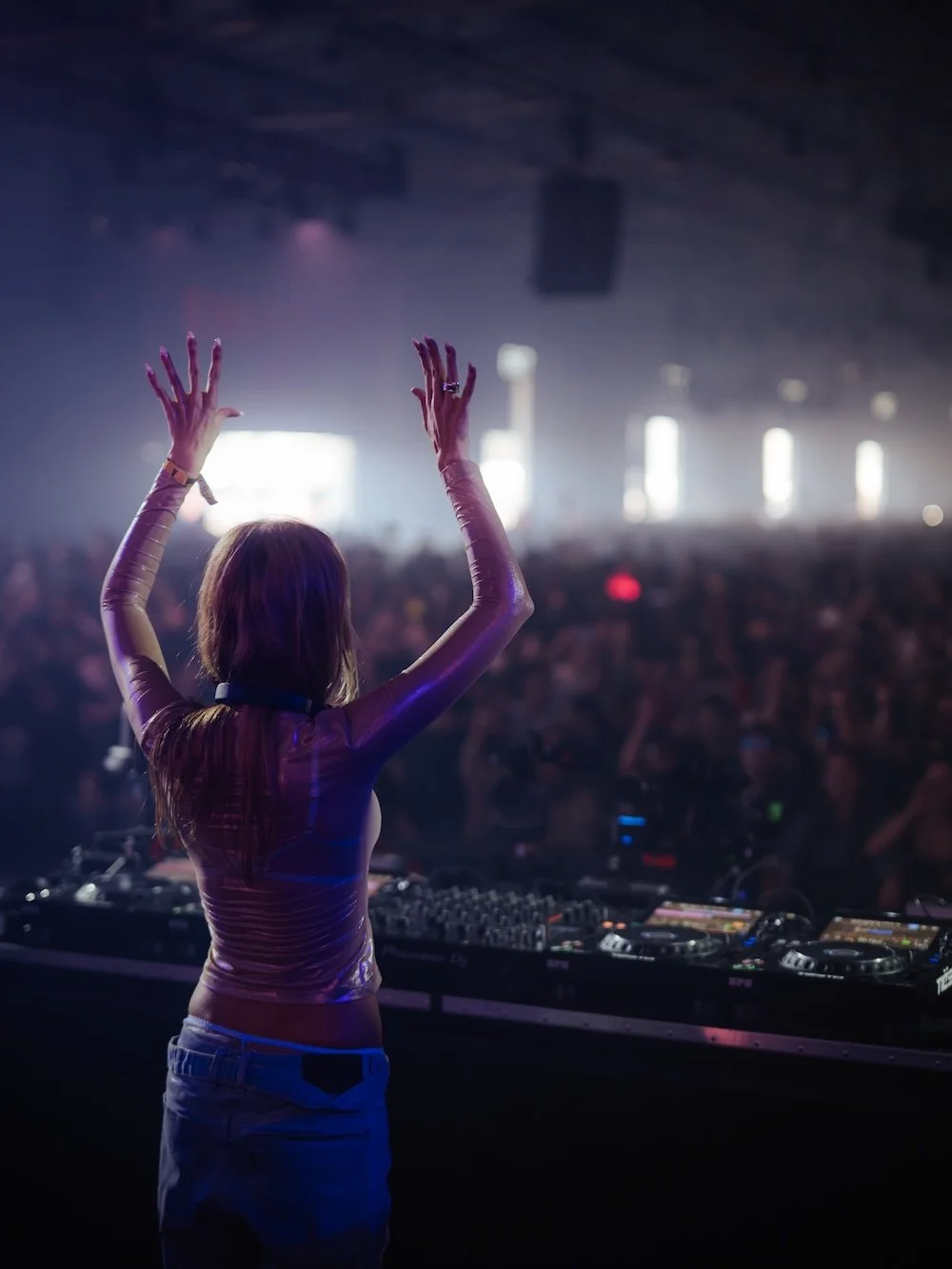
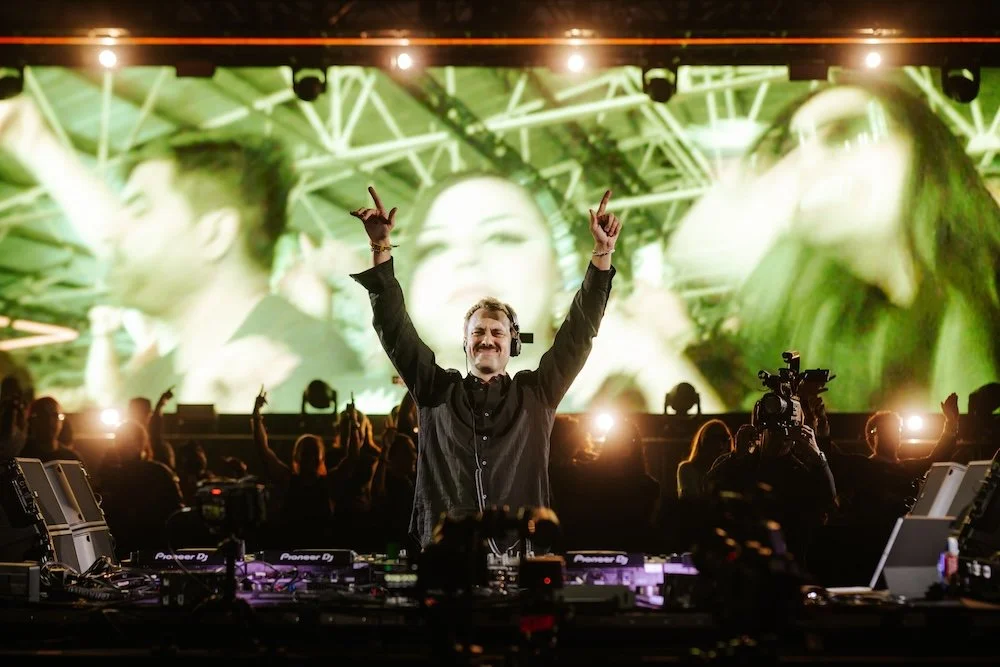
Kieran Hebden is a particularly good artist to put inside that kind of environment. His music has long balanced close detail with a much broader appetite for rhythm, and his DJ sets can accommodate gentleness and considerable force. At Portola, the visual scale suited that range. The installation drew your attention into the room itself, making the space above the dancers as much a part of the show as the area around the booth.
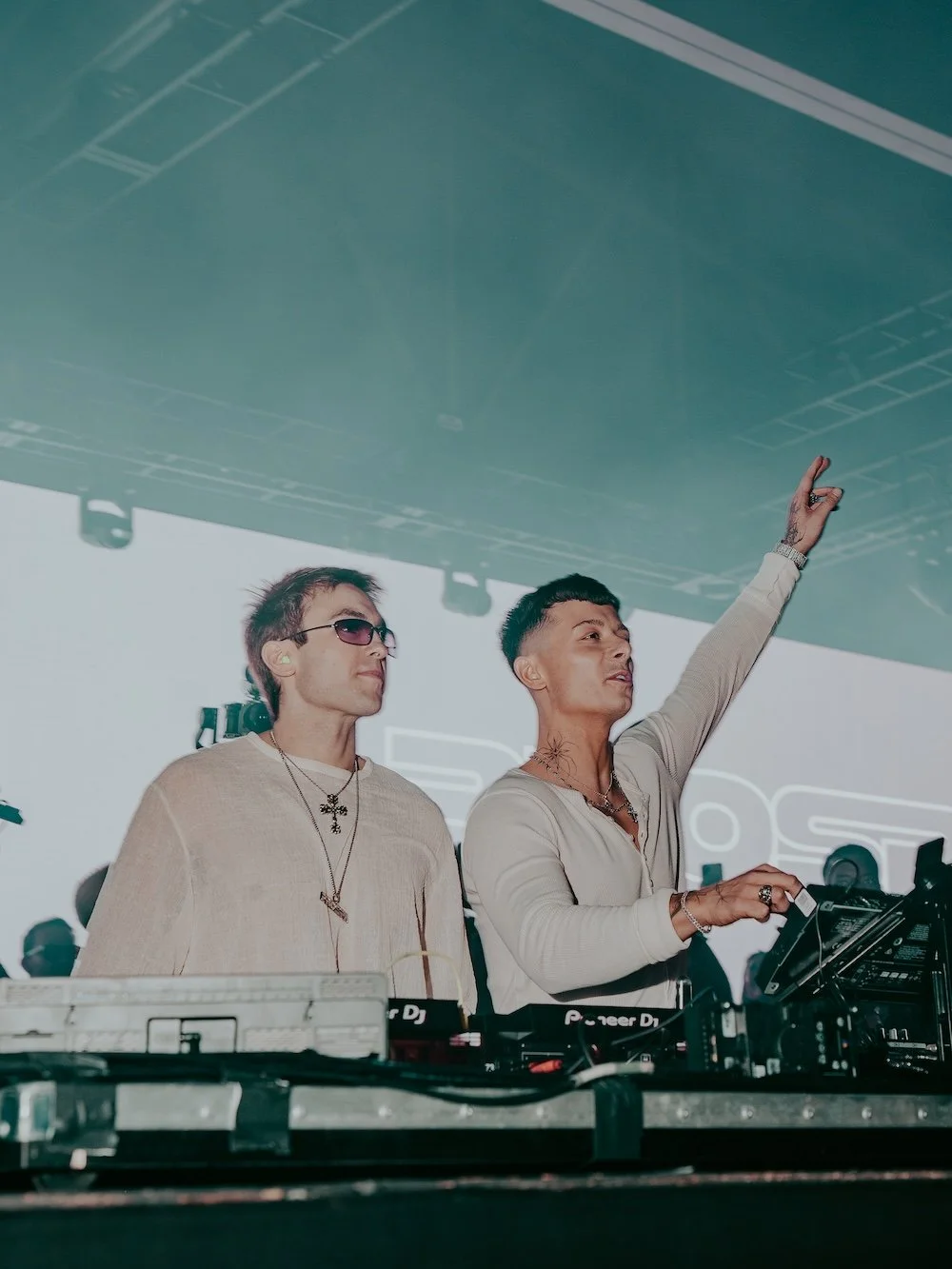
The opening, the Tony Romera remix of “Baby,” established an immediate connection between the music and that altered space. The rest of the set ranged across Hebden's catalog and the harder edges of his club interests. A long, distorted version of the earworm “Looking at Your Pager” appeared later in the set, and the eventual turn toward “Two Thousand and Seventeen” and “Mama Teaches Sanskrit” gave the ending a gentler character. It was a broad stretch of music with enough contrast to keep the enormous production feeling alive.
An elaborate lighting rig can become exhausting if it insists on the same sensation all night. Here, the shifting patterns gave the music room to change in scale and mood. The setup could be spectacular while still making a delicate passage feel worth attending to. Hebden's interest in texture gave the visual production something to respond to beyond a succession of big drops.
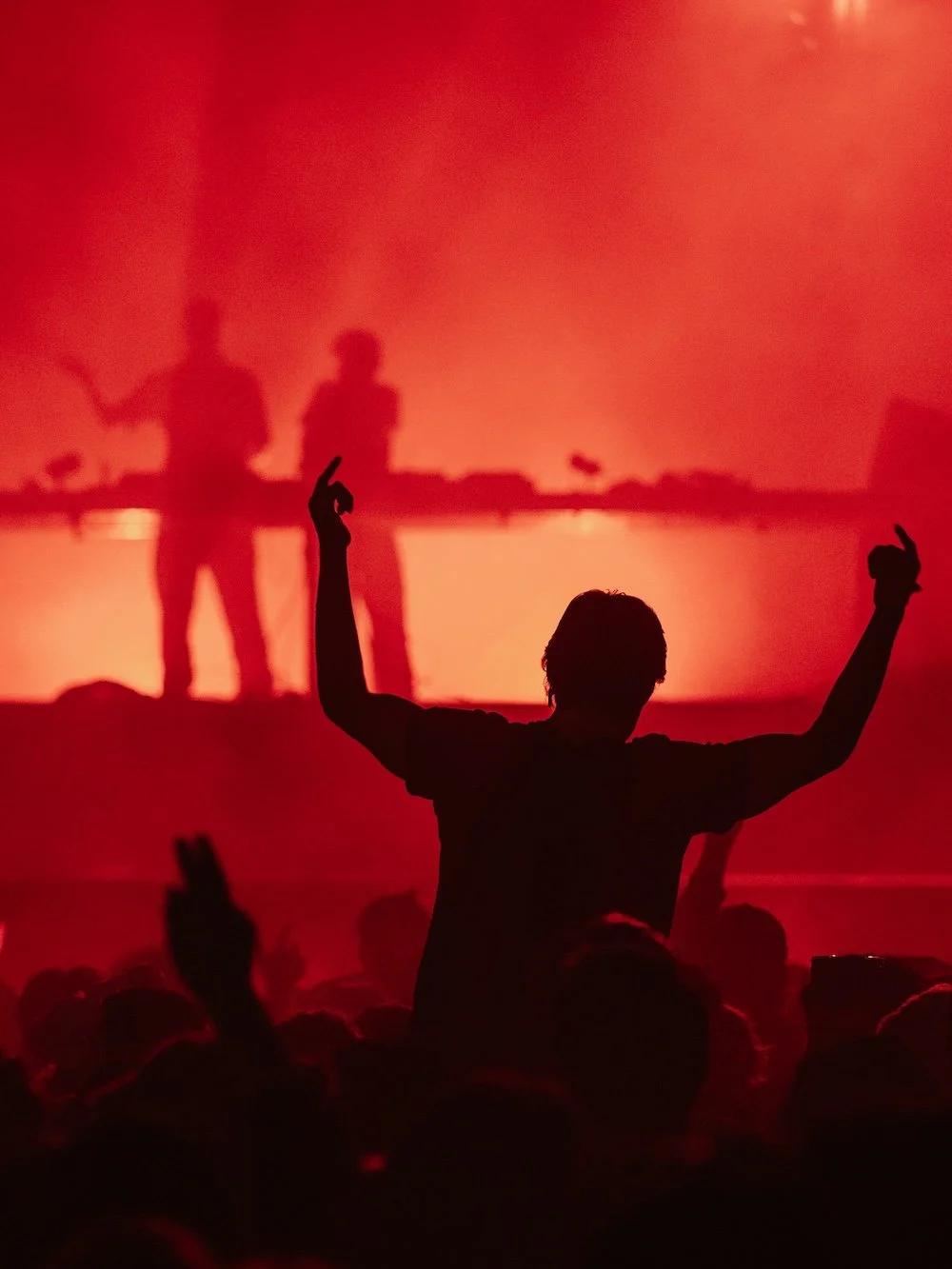
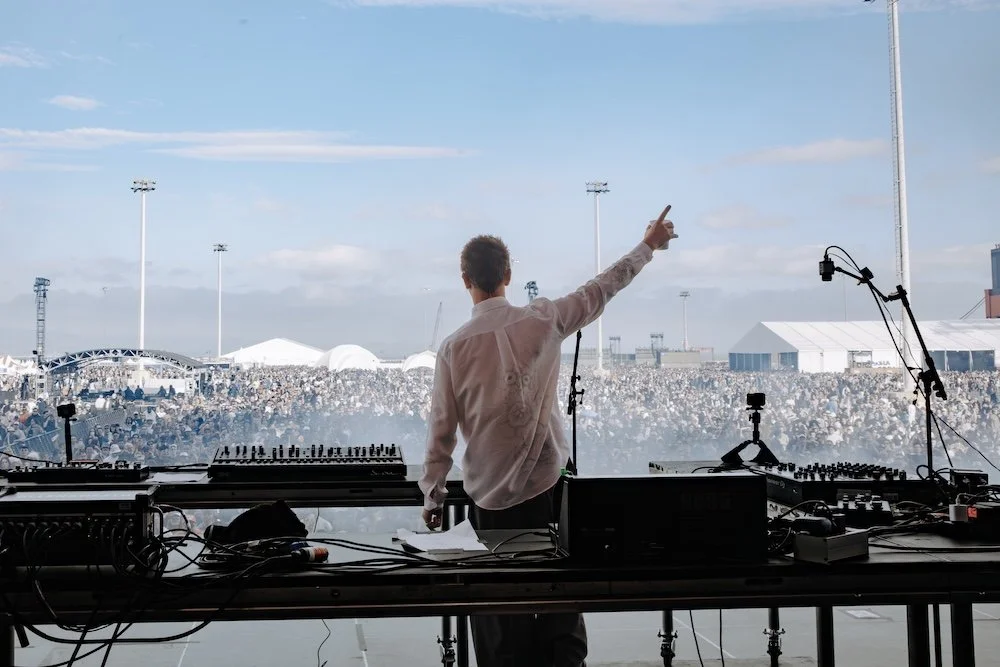
After Overmono's emotional set, Four Tet took the same building somewhere more expansive and strange. It was an incredible finish to Sunday and the festival as a whole because the music and the production kept offering new ways to pay attention. The Warehouse remained an industrial building, but for those hours it was completely transformed. A festival with very little decoration elsewhere had saved a remarkable amount of imagination for the dance floor.


Article by: Andrew Ameter
Photos by: AJ Manalaysay, Demian Beccara, Priscilla Rodriguez, & Sabrina Poei