Graspop Metal Meeting 2026: Why Live Discovery Still Beats the Algorithm
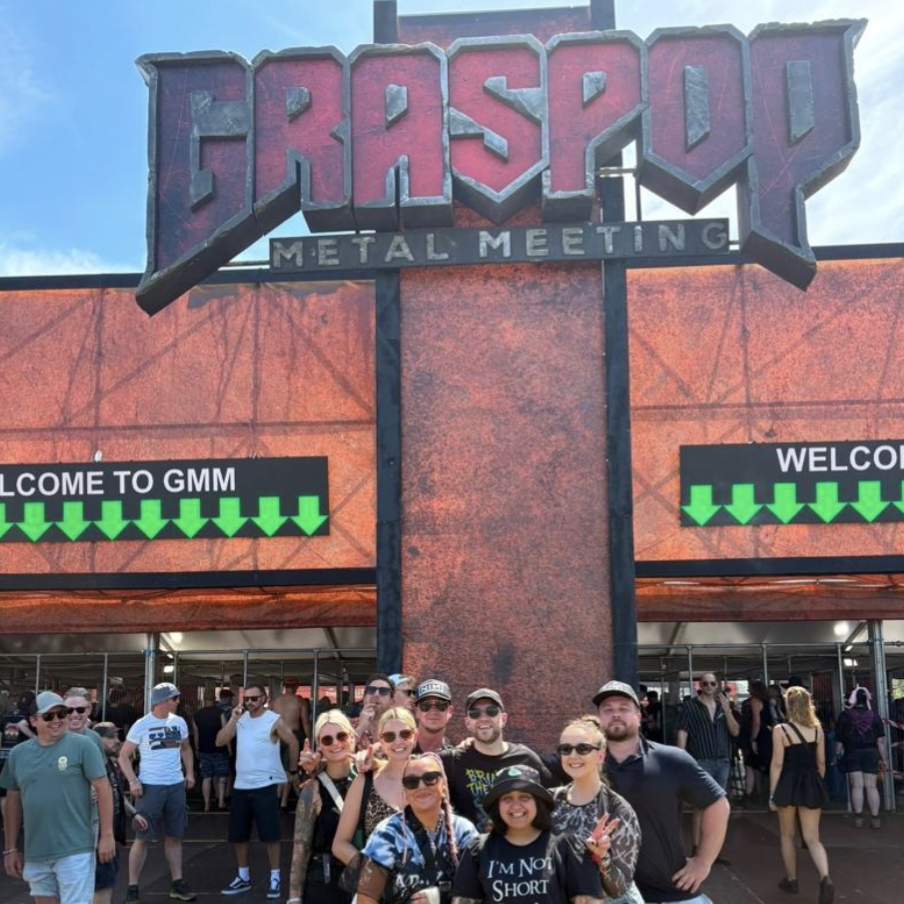
There is a moment at Graspop Metal Meeting when the scale of it hits you. You are standing in a field in Dessel, Belgium, surrounded by over 50,000 people who have travelled from across Europe, many in full battle dress, and the sound from the Jupiler Stage is so physical it feels less like music and more like weather. Lauren and I arrived on Thursday morning, and within an hour it was clear this was not a festival you simply attend. It is one you surrender to.
We had been to festivals before, but Graspop carries a different weight. The crowd is not there to be seen. They are there for the music and the community and four days of collective devotion to a genre the mainstream has always underestimated. That devotion was the most interesting thing about the whole weekend.
What the Festival Delivered
The 2026 lineup was a masterclass in curation. Graspop has always understood that heavy music is not a monolith, and this year's bill reflected that with confidence. Thursday opened with emerging names like Grade 2 and Bloodywood before Megadeth and Limp Bizkit closed the Jupiler Stage to a crowd that had been building since noon. Friday belonged to Trivium and Alter Bridge, with Cradle of Filth delivering one of the Marquee's most intense sets after midnight.
Saturday was the day that stayed with us longest. Architects on the South Stage were exceptional, the Sheffield band have been building toward a performance like this for years, and the crowd responded with locked-in intensity you only see when the audience has done its homework. Bad Omens followed on the North Stage making their GMM debut and the size of the crowd for a band on their first appearance said everything about how far they have travelled.
Bring Me The Horizon closed Saturday in the early hours and the South Stage field was as full at 1am as it had been at 9pm. That does not happen at festivals where the crowd is casual.
What made Graspop feel different
A few things separated it from comparable European events:
Scale without chaos. 150,000 people across four days and four main stages, yet the site felt genuinely manageable. The organisation was exceptional.
Audience depth. The crowd at the Metal Dome and the Marquee was not there by accident. These were people who knew the setlists, had followed the bands for years and treated a 1pm slot with the same seriousness as a headline set.
International reach. Graspop draws from across Europe and beyond. The flags, the languages, the regional band shirts: it is a reminder that heavy music has a genuinely global and fiercely loyal audience that exists largely outside the metrics most of the industry watches.
Festivals as Discovery Engines
The most instructive thing about watching Bad Omens play to a packed North Stage on their GMM debut was not the performance itself. It was what the crowd was doing during it. Phones up, filming. People singing along to songs they had clearly found weeks earlier on a playlist or a social media clip. Others at the barrier with the expression of someone whose favourite new band just became real. The algorithm had done its job. Now the live show was doing something different.
Heavy music fans are particularly interesting in this regard. The genre has always operated through community rather than radio or mainstream press. Bands build followings through relentless touring, word of mouth and earned credibility that comes from putting in the work before anyone is watching. A festival appearance at Graspop, even at the Marquee or the Metal Dome, carries genuine weight in that ecosystem. It signals to the community that a band belongs.
That signal matters beyond the weekend itself. A strong festival set generates content that travels, clips shared on social media, reviews in specialist press and photos circulating through fan communities for months. For emerging artists, festivals are no longer just live milestones. They are discovery moments where press, audience reaction and social content aligned with the right independent music marketing agency can turn a strong set into lasting momentum.
The bands making the most of that opportunity at Graspop were the ones who understood it before they arrived. Their visuals were coherent, their social content during the festival was purposeful rather than reactive and they had something for new fans to find when those fans went looking after the set.
Why This Still Matters
Streaming, playlisting and algorithmic reach are not the enemy of any of this. They are how the discovery starts. A fan finds a track on a playlist, follows the artist, learns the words. That is the work of good digital marketing and it matters enormously. But Graspop showed what happens at the next stage, when the fan who found that track six months ago is now standing in a field watching the band play it live for the first time.
That moment is not replicable online. It is where a listener becomes a fan and a fan becomes someone who drives from another country, camps in a field and tells everyone they know about it afterwards.
The fans we stood alongside across four days had done both. They had found these bands through the algorithm, playlists and social media. And then they had shown up. The artists who had the biggest crowds were the ones who had invested in both sides of that equation - building a digital presence that made people care and then delivering live in a way that made those people stay.
Graspop is a reminder that the two things are not in competition. Digital gets you in front of people. Live is where you keep them. We left Dessel on Sunday night tired, slightly sunburnt and more certain than ever that the artists building something durable are the ones treating streaming and live performance as two parts of the same strategy rather than a choice between them.